Pets
Dodger's 2,500-Mile Homecoming, Seven Years in the Making
When the Davidson-Orozco family fled California in an emergency move in late 2018, they entrusted their cat Dodger to a friend for the journey — and lost him. Seven years later, a routine microchip scan at a Fresno rescue set off a chain of events that would fly the cat across the country and, at 5 a.m. in Calhoun, Georgia, hand a family back a piece of their children's childhood.
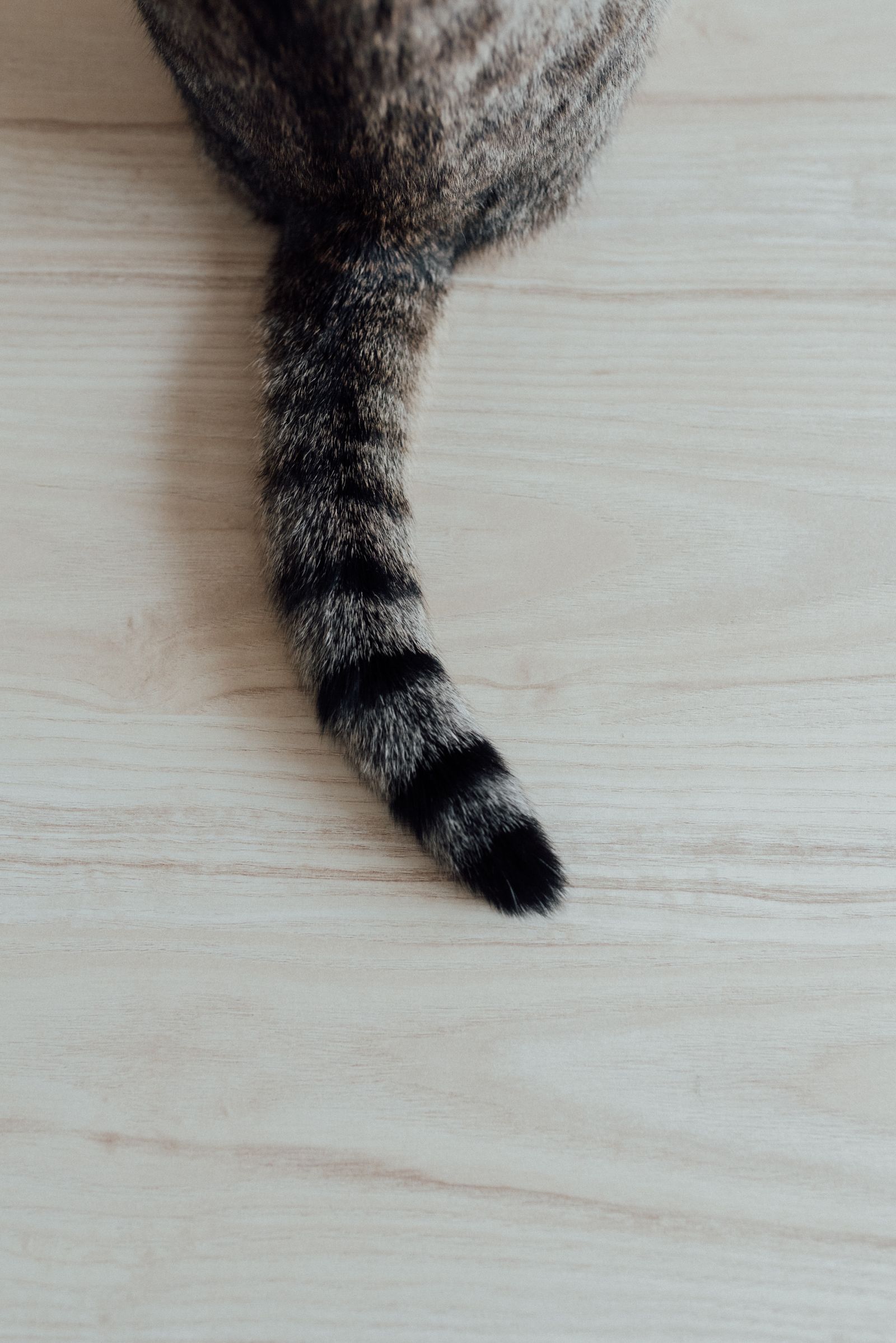
In late 2018, Amber Davidson-Orozco's family was in the middle of an upheaval. They were leaving California, and in the chaos of the move they did what seemed sensible: they left their cat Dodger — named after the Los Angeles Dodgers the family supported — in the care of a trusted friend to be transported separately. Somewhere in the turmoil, before the family had settled into their new life, Dodger vanished. He slipped away in the Fresno area and did not come back. The family, already stretched thin by everything a sudden relocation demands, had no choice but to keep moving. They eventually put down roots in Georgia, more than 2,300 miles from where they'd started. Dodger stayed behind in California, unfound, a small open wound that never quite healed.
Seven years is a long time to hold onto a lost pet. Amber's children, Schylar and Zachary, had been roughly eight and five when Dodger disappeared; by the time the phone rang again, they were nearly grown. Yet the cat never fully faded from the family's memory. "We always thought about him," Amber said. "It was like that one thing that just lingered in your mind." They had no reason to expect anything but silence. And then, one ordinary night, silence broke.
The turning point came from the most routine of procedures. In early 2026, a resident in Madera, California — about 31 miles from the family's old home in Clovis — came across Dodger living as a stray and brought him in to Fresno Trap and Release, a nonprofit that neuters, vaccinates, and cares for cats. Sydney Sherman, who co-runs the organization with her mother, prepared him like any other intake. But the veterinary team noticed he was already neutered, and a scan turned up a microchip. When Sherman ran the chip, the contact information led not to a local owner but to a family clear across the country. "It was like 11 o'clock at night, and I get this email saying Dodger has been scanned into Fresno TNR," Amber recalled. After seven years, her cat had a location again.
The distance that had swallowed Dodger now became the biggest obstacle to bringing him home — until Sherman offered an extraordinary solution. She happened to have travel plans that could serve the reunion. Rather than leave the family to figure out how to retrieve a cat 2,500 miles away, she volunteered to bring Dodger to them herself. For a month, she cared for him while coordinating with the Davidson-Orozcos, sharing videos and photographs and holding FaceTime calls so the family could reacquaint themselves with the pet they'd mourned. Sherman had never flown with a cat before and admitted to some nerves, but when departure day came, she wrote simply that Dodger "was ready to fly."
The reunion itself unfolded in the small hours. The family drove seven hours to meet Sherman, arriving around 5 a.m. in Georgia to collect their long-lost cat. What they got back was, astonishingly, the same animal at his core. "Oh, he's here. That incredibly sweet, affectionate, and sociable personality is still present," Amber said. Dodger still recognized his name; he still tolerated her children playfully hoisting him over their shoulders, as though the intervening years had been a mere pause rather than a seven-year absence.
For Amber, the timing of it all carried a weight beyond the simple joy of a returned pet. The family had been through a great deal — the losses that come with an emergency move, the loss of her father — and Dodger's return felt like something being restored against the odds. "It's full circle — losing all your belongings while moving, losing your dad, and then getting this back," she reflected. "It might seem trivial — a mere cat — but for my kids and me, it's significant, especially given the timing." In a very real sense, she said, getting Dodger back was like reclaiming a piece of her sons' childhood.
There was, everyone agreed, one hero in the practical sense: the microchip. Without that tiny implant, a friendly stray in Madera would have simply been neutered, vaccinated, and rehomed as an anonymous cat, and the Davidson-Orozcos would have spent the rest of their lives wondering. Instead, a single scan reached across seven years and 2,500 miles to reconnect a family with the pet they never stopped thinking about. Sherman, who confessed it was bittersweet to say goodbye to the "handsome, chatty" cat she and her team had grown to adore, thanked the family for their devotion — and let a story travel far and wide as a reminder of what a microchip can do. "When you get a pet, you never think anything could go wrong," Amber said. "But life happens. Situations arise." And sometimes, seven years and a continent later, life gives something back.
A seven-year absence closed by one microchip scan and a rescuer willing to fly a cat across the country.