Pets
The Prodigal Kitty: Butters Vanishes in San Diego and Reappears 200 Miles Away
Butters the tabby learned to use the doggie door — and one day, twelve years ago, he walked out of his San Diego home and never came back. His family assumed the coyotes had gotten him. Then, more than a decade later and 200 miles away, an off-duty animal control officer noticed a stray wandering his own backyard, scanned a microchip on a Sunday night, and set in motion a cross-state flight to a family who had long since moved on — geographically, at least.
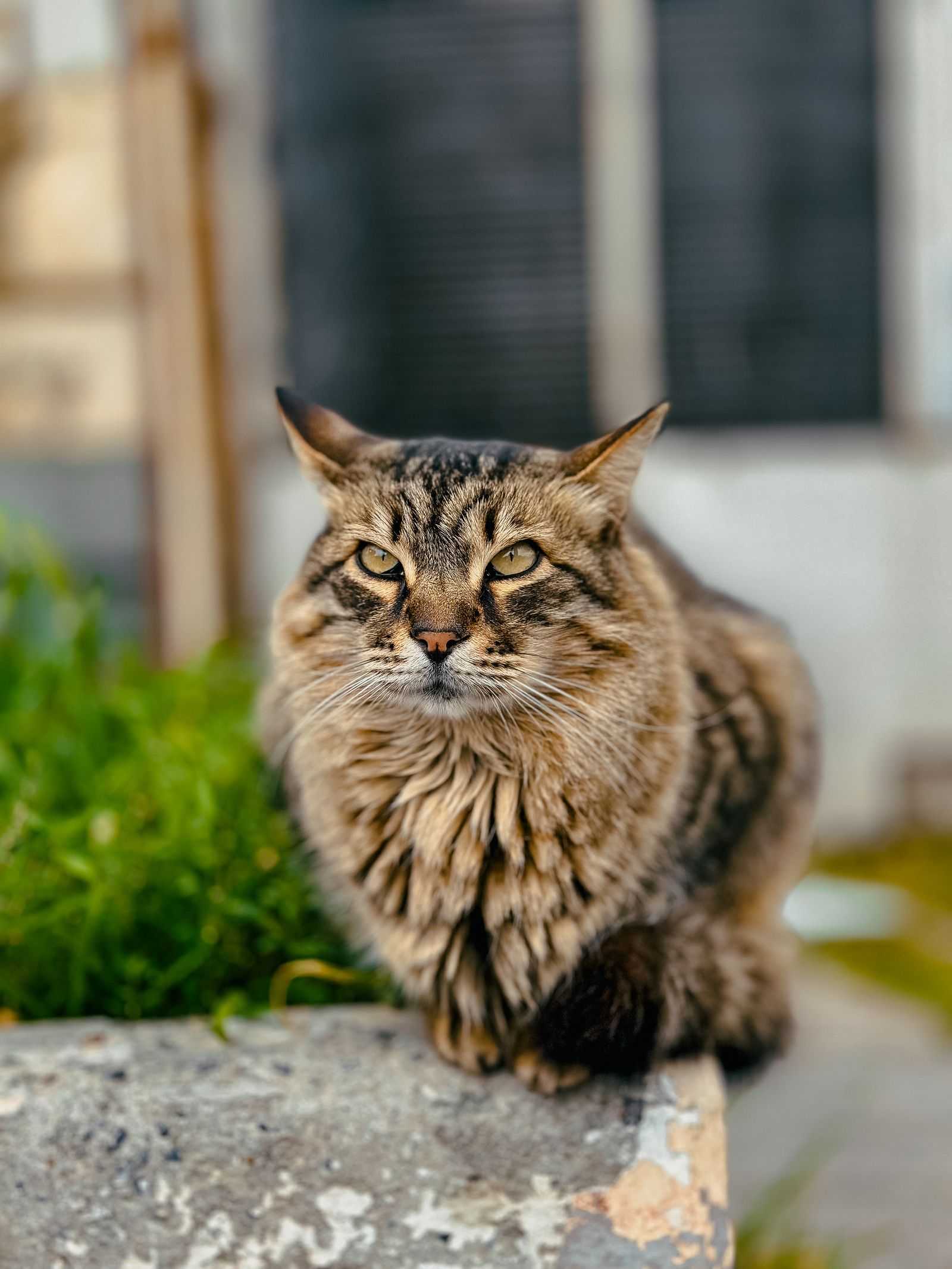
For Angelo Castellino and his wife, Shelley, the disappearance of their tabby cat Butters was one of those quiet heartbreaks that never fully resolves. Butters loved being outside. He had figured out how to use the doggie door, coming and going as he pleased, until one day in 2011 he went out and simply never returned. The couple lived near a canyon in San Diego, and coyotes were a constant presence. "I thought he was dead," Angelo later admitted. "The coyotes got him because there's a canyon nearby." With no body, no sighting, and no leads, the family did what most people do — they grieved, and eventually they moved on. Over the years, they relocated hundreds of miles north, all the way to Stanwood, Washington, carrying the memory of a cat they were certain was long gone.
Butters, however, had not read the script. Twelve years after he vanished, and more than 200 miles from the San Diego home he'd wandered away from, the tabby turned up in the unlikeliest of places: the backyard of an animal control officer. On October 1, 2023, Dalton Churchwell, an officer with Riverside County Animal Control, noticed a cat wandering around his own backyard in Blythe, California, a desert town near the Arizona border. It's the kind of thing a lot of people might have ignored. Churchwell didn't. He scooped up the stray and — even though it was his time off, on a Sunday night — scanned the cat for a microchip.
That scan changed everything. The chip pulled up a name and a history: the cat was Butters, and he had been reported missing from his San Diego home back in 2011. After more than a decade unaccounted for, a house cat presumed eaten by coyotes was alive, well, and standing in an animal control officer's yard hundreds of miles from where he'd last been seen. How Butters covered that distance, or how he survived twelve years in the harsh terrain between San Diego and the Blythe desert, is a mystery no one has been able to explain. But the microchip left no doubt about who he was.
Churchwell got the honor of making the call no one expected to receive. On the other end of the line were the Castellinos, up in Washington, being told that the cat they'd mourned twelve years earlier had just been found alive in California. "It was just unbelievable," Angelo said. Shelley put it more poetically: "Our prodigal kitty has come home." The couple was grateful beyond words to Officer Churchwell — not just for identifying Butters, but for taking the time to do it on his night off, when it would have been so easy not to bother.
There was, of course, one logistical hurdle: the family and their cat were now separated by an entire coastline's worth of distance. That's where the ASK Foundation stepped in. The non-profit, which supports the Riverside County Department of Animal Services with various programs, heard about Butters's extraordinary story and offered to pay for a flight to Seattle so the tabby could be reunited with his family. And so Butters, who had spent twelve years no one can account for, was booked on a plane north.
The final leg fell to Larry Rudolph, a ten-year volunteer with Riverside County's animal services, who personally delivered Butters to the Castellinos in Seattle that Saturday. After twelve years, a 200-mile mystery, a chance sighting in the right backyard, and the kindness of an off-duty officer, a nonprofit, and a longtime volunteer, the prodigal kitty was finally home with the family who had never quite stopped missing him. For Shelley, the lesson was the same one that so many of these against-all-odds reunions carry: the microchip was critical, and every cat and dog should have one. Without that tiny chip, Butters would have remained just another stray in the desert — and the Castellinos would never have known their cat had spent twelve years finding his way back to them.
Presumed eaten by coyotes twelve years earlier. Turned up 200 miles away in an animal control officer's backyard.