Music
The guitar that survived a plane crash: Peter Frampton's Phenix
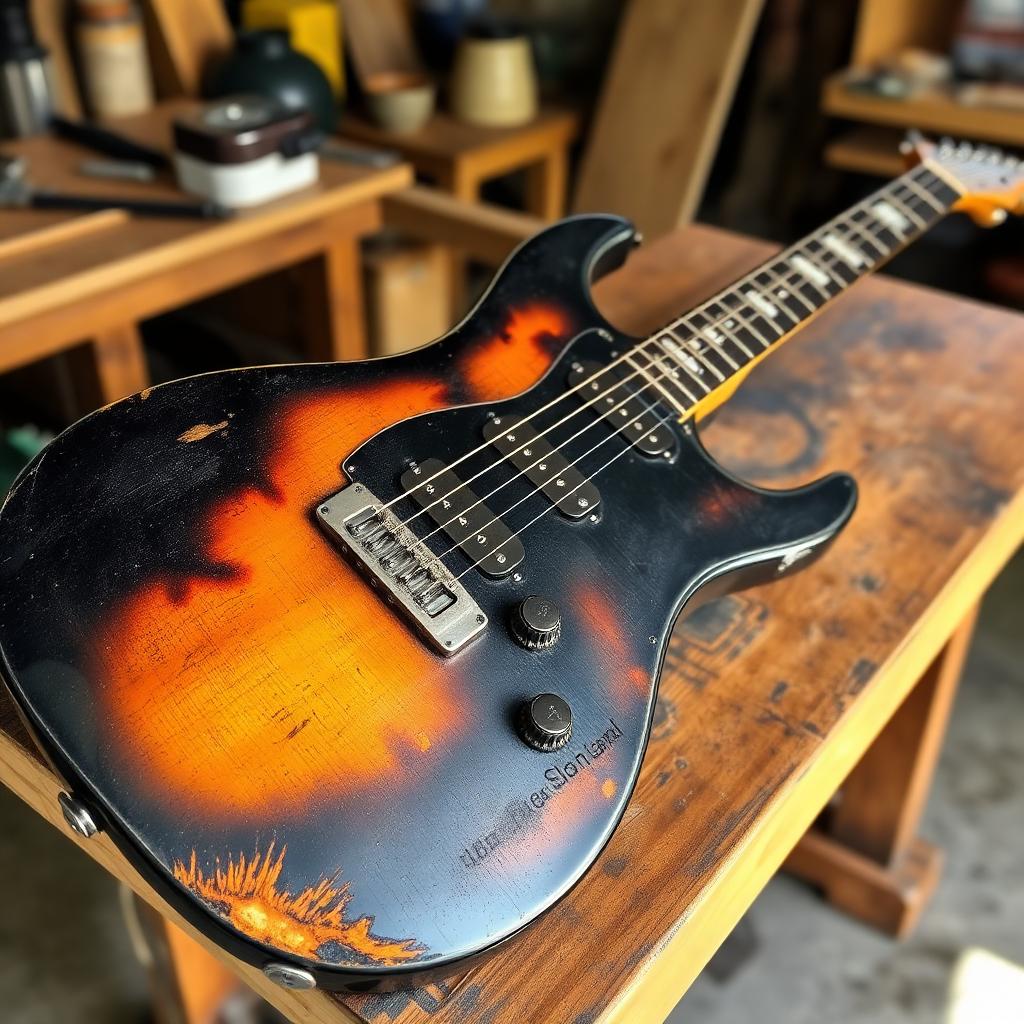
The black Les Paul on the cover of Frampton Comes Alive! was presumed burned in a 1980 Caracas cargo-plane crash. It resurfaced 31 years later in a Curaçao luthier's workshop, scars intact.
That's how I knew it was mine — because I'd been inside that thing so many times.
The black three-pickup Les Paul on the cover of Frampton Comes Alive! was a gift. In 1970, a fan named Marc Mariana loaned it to a struggling Peter Frampton for one night at the Fillmore West, then refused payment and gave it to him outright. Frampton played it on nearly everything he recorded for the next decade.
On November 4, 1980, a cargo plane carrying his touring gear crashed on takeoff from Caracas, killing the crew. Frampton was told everything burned. For 31 years, he believed the guitar was ash.
It wasn't. The Les Paul had survived the wreck — and someone at the crash scene took it. It was sold, ended up with a musician on the island of Curaçao, and eventually sat gathering dust until a teenager brought the battered instrument to a local luthier for repair. That luthier, Donald Balentina — who was also a customs agent — recognized the unusual triple-pickup configuration and the burn marks. He photographed the guitar forensically, inside and out, and got word to Frampton. "That's how I knew it was mine," Frampton said, "because I'd been inside that thing so many times."
The owner initially fled with the guitar when confronted. It took nearly two more years of negotiation — ultimately involving Curaçao's Minister of Tourism, who helped arrange a $5,000 buyback — before the guitar was hand-delivered to Frampton in Nashville in 2011, in a thin plastic cover, scars intact. Gibson restored it to playability, battle damage preserved, and it returned to the stage for the Comes Alive! anniversary tour.
The lo.st takeaway: the single point of failure was identification. One knowledgeable stranger recognized the item three decades late. Identification shouldn't depend on luck — it should be built into the item itself.