Music
"Somehow Magic Happened": The Afternoon Yo-Yo Ma Lost a $2.5 Million Cello in a Taxi
In October 1999, exhausted after a Carnegie Hall concert, Yo-Yo Ma climbed out of a New York cab and left his 266-year-old, $2.5 million Montagnana cello in the trunk. A frantic citywide search — powered by a single saved receipt — reunited the cellist with his "musical partner" just hours later, in time for that evening's performance.
The cello is called Petunia, and it is no ordinary instrument. Built in Venice in 1733 by the master luthier Domenico Montagnana, prized for its warm, spacious baritone voice, it has been Yo-Yo Ma's principal performance cello for decades and is valued at roughly $2.5 million. To Ma, it is far more than an antique. "The instrument is my voice," he once said. "So I need it".
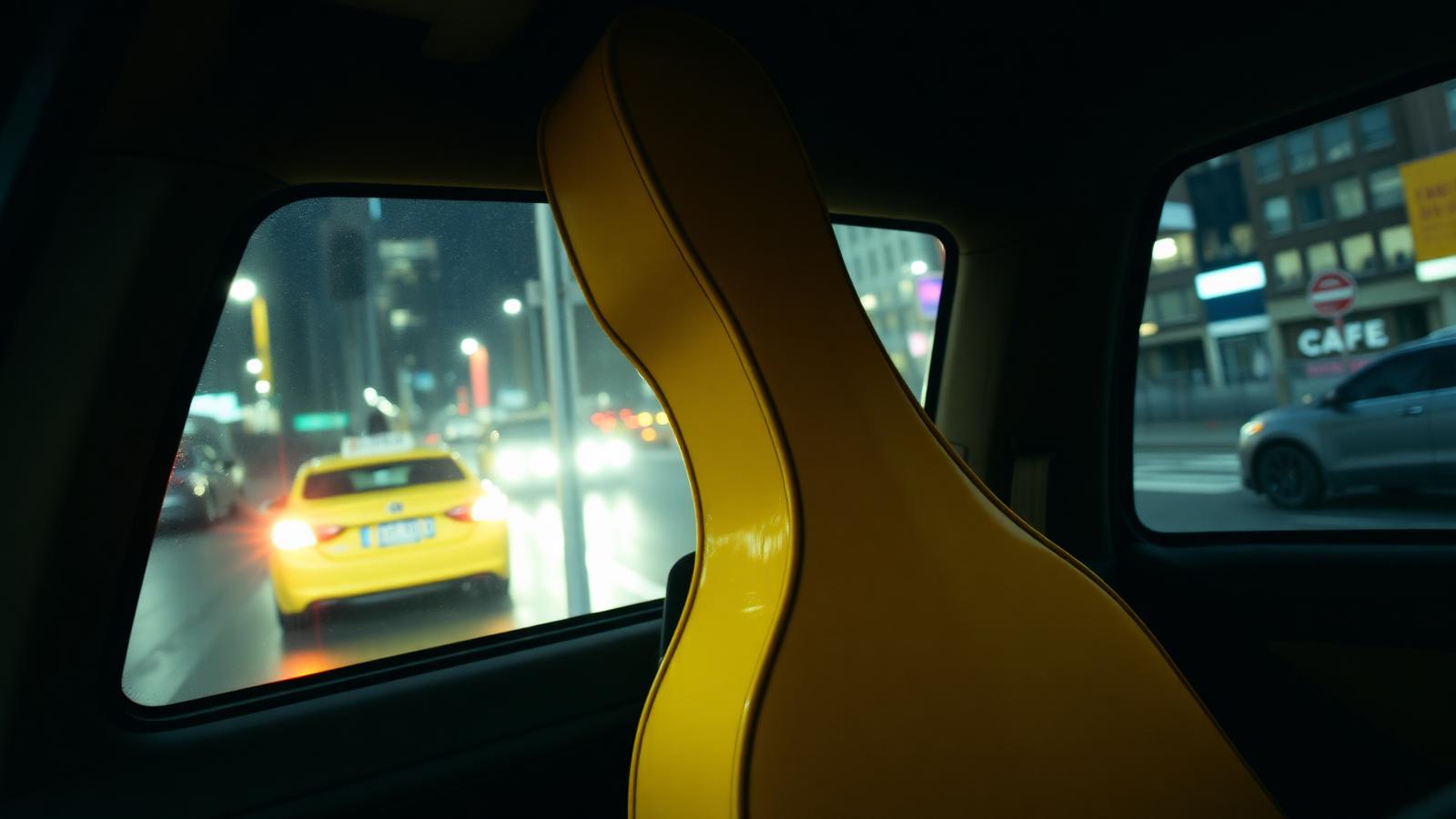
On Saturday, October 16, 1999, that voice very nearly went silent for good — not through theft or fire, but through a moment of sheer human exhaustion. Ma had performed the night before at Carnegie Hall and had another concert that same evening, scheduled for 6 p.m. at the Brooklyn Bridge Anchorage. Around 1 p.m., running on empty, the 43-year-old cellist stepped out of a yellow cab at the Peninsula Hotel in Midtown Manhattan, paid his fare, tipped the driver — and walked away. It was only as the taxi pulled off into traffic that the horror hit him: the cello was still in the trunk. "I did something really stupid," Ma later admitted. "I was in such a rush, I was so exhausted... I just forgot".
What followed was one of New York City's more improbable manhunts, and it turned on a small, ordinary act of prudence. Ma had kept his taxi receipt, and that slip of paper carried the cab's medallion number. Hotel staff contacted the police, and Lt. Keith Green alerted the Taxi and Limousine Commission, which traced the medallion to Yellow Management Corp., a garage on Vernon Boulevard in Queens. The NYPD then broadcast the medallion number across the city, putting every patrol car on the lookout for a single yellow cab somewhere in the five boroughs — a cab whose driver had no radio and, crucially, no idea he was ferrying a priceless piece of the 18th century around in his trunk.
For roughly three hours, Petunia rode the streets of New York, oblivious to the alarm it was causing. The cello had been last seen at the Peninsula around 1 p.m.; the driver was due to end his shift in the mid-afternoon. Police coordinated to intercept him at the garage. When the driver returned to Yellow Management around 4 p.m., officers were waiting, and when the trunk was finally opened, there sat the cello, still zipped in its case, entirely undamaged.
The instrument was rushed back to Ma with time to spare before his evening concert. His relief was palpable and gracious. "Somehow magic happened, and I have my cello," he said, grinning. Had it not turned up, he added, "I would be crying right now." He also offered a lesson every traveler could take to heart: "Luckily, luckily I had the receipt, so all of you, take the receipt". Of the city that had scrambled to help him, he said simply, "I love New York".
The near-loss became one of the most beloved anecdotes in classical music, a rare story where a multimillion-dollar treasure slipped away and came back within an afternoon, no ransom, no thief, no years of anguish — just a tired genius, a saved receipt, and a police force willing to hunt a needle through the haystack of Manhattan traffic. The episode even entered a broader cautionary canon of misplaced masterpieces; two years later, cellist Lynn Harrell would leave his own multimillion-dollar Stradivarius in a New York taxi, though not everyone would be as fortunate as Ma.
Petunia, meanwhile, went on to keep singing. It remained Ma's primary performance instrument, its Venetian voice thrilling audiences around the world — a 266-year-old survivor that spent one strange afternoon touring New York City in the dark, and lived to tell the tale.
$2.5 million · 266 years missing