Art & Antiquities
The Bus Driver, the Bond Villain, and the Goya That Vanished Twice
In 1961, a Goya portrait of the Duke of Wellington disappeared from London's National Gallery just 19 days after going on display — the first theft in the gallery's history. For four years it was hidden in a Newcastle wardrobe, achieved cinematic immortality as loot in the lair of James Bond's Dr. No, and was finally handed back at a train-station luggage office by an unlikely thief: a 61-year-old retired bus driver on a crusade over TV license fees.
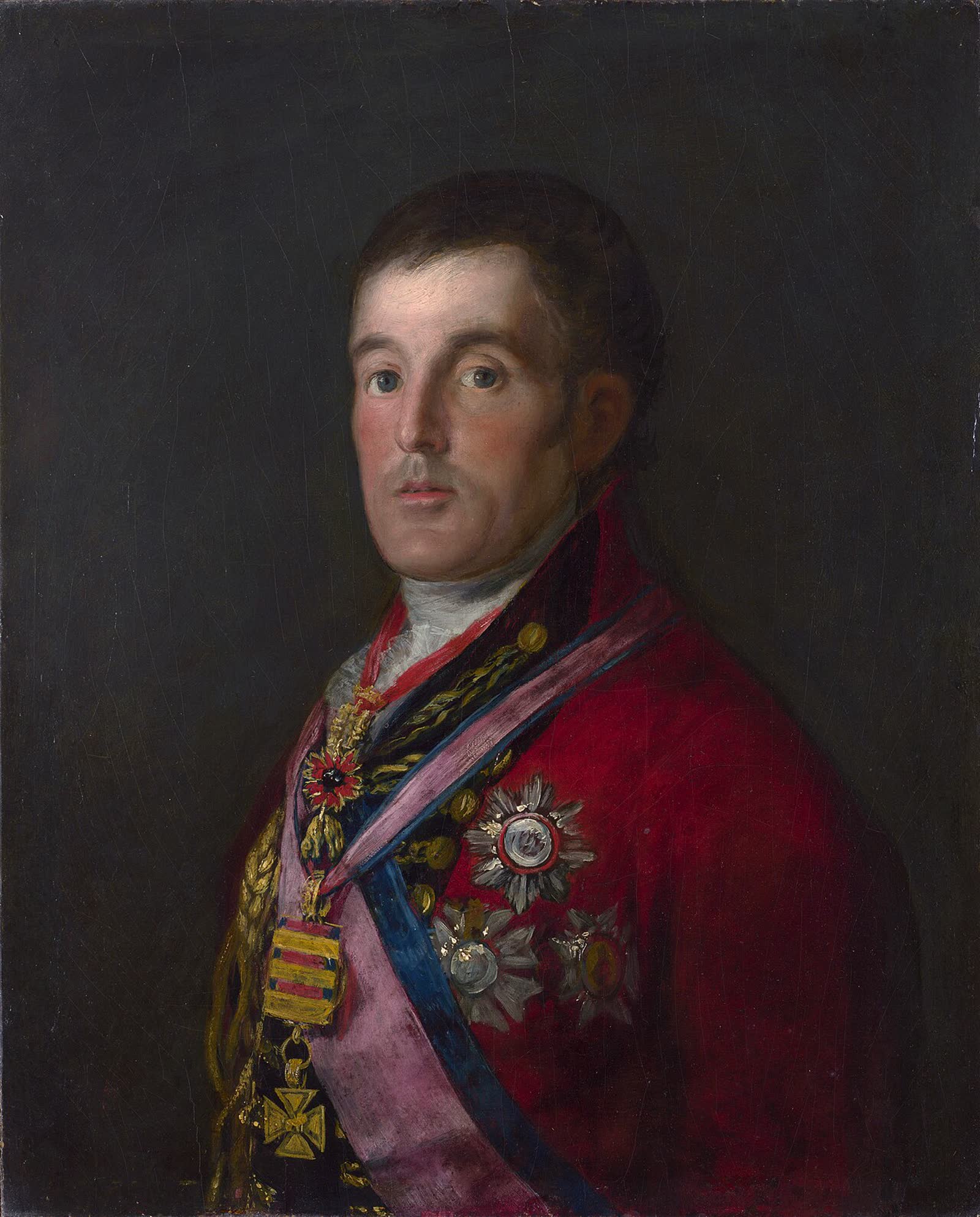
Francisco Goya's Portrait of the Duke of Wellington, painted between 1812 and 1814, depicts the British general who defeated Napoleon at Waterloo, shown from the torso up in his trademark red coat. In June 1961 it came up for auction at Sotheby's from the estate of the Duke of Leeds, and the New York collector Charles Wrightsman bought it for £140,000 with plans to take it to the United States. A wave of national protest followed. The Wolfson Foundation put up £100,000 and the government added a special Treasury grant of £40,000 to match Wrightsman's bid and keep the picture in Britain, securing it for the National Gallery.
The painting went on display in the gallery on 2 August 1961 to great fanfare. Nineteen days later, it was gone. Sometime on the evening of 21 August, a thief slipped in and out of the building through a bathroom window that had been left open, carrying the roughly 20-by-25-inch portrait with him. Guards noticed the empty spot that night but assumed the picture had been moved for some legitimate reason and did not raise the alarm until the next morning. It was the first theft in the National Gallery's history.
The public and police imagined a suave master criminal or an international syndicate. The film industry leaned into the fantasy: when Dr. No reached British cinemas in October 1962, sharp-eyed viewers spotted a replica of the still-missing Goya propped up in the Bond villain's underwater lair, a cheeky in-joke suggesting Dr. No himself had pilfered it. Production designer Ken Adam later recalled painting the fake Goya over a weekend from a National Gallery slide — and noted that, just like the real one, the film's copy was later stolen from display.
The reality was far stranger. Over the next three and a half years, the only genuine news came from the thief himself, in a series of anonymous letters sent to newspapers. The picture, he insisted, was not for sale but "for ransom" — £140,000 to be donated to charity, on condition the culprits received a free pardon. No fund materialized, and the Duke stayed missing. In a final letter dated March 1965, the anonymous "Robin Hood" seemed to lose heart, and the Daily Mirror began a campaign urging the thief to return the picture. In May 1965 the Mirror received a left-luggage ticket. On 22 May, authorities retrieved a carefully wrapped parcel from the baggage checkroom at Birmingham New Street station: it was The Duke of Wellington, frameless but unharmed. The gallery's Michael Levey confirmed it was genuine.
On 19 July 1965, Kempton Bunton, a 61-year-old retired bus driver from Newcastle, walked into a London police station and confessed. Investigators had earlier discounted him: it seemed unlikely that a 17-stone (240-lb) retiree could have squeezed through a gallery window. Bunton said he had taken the painting to protest the BBC television license fee, which he felt unfairly burdened pensioners and the poor.
At his Old Bailey trial in November 1965, Bunton was defended by celebrated barrister Jeremy Hutchinson QC, who argued that because Bunton had always intended to give the painting back, he had merely borrowed it — and could not be guilty of theft under the law as it then stood. The jury agreed. Bunton was acquitted of stealing the painting but convicted of stealing the frame, which was never returned, and served three months in prison. The loophole so alarmed lawmakers that Parliament introduced a new offense — removing an object from public display — in the Theft Act of 1968.
There was one last twist. A National Archives file released in 2012 revealed that the actual break-in had been carried out not by Kempton but by his son, John Bunton, who had confessed to police in 1969; officials declined to prosecute on such shaky, decades-old evidence. The painting hangs today in the National Gallery, and the saga inspired the 2020 film The Duke, starring Jim Broadbent and Helen Mirren.
61 years missing