Art & Antiquities
The Man Who Stole the Mona Lisa—and Made Her the Most Famous Painting on Earth
In 1911, a Louvre handyman walked out of the museum with the Mona Lisa hidden under his smock, and for over two years the world's police could not find her. When Vincenzo Peruggia finally tried to sell Leonardo's masterpiece to a Florence dealer in 1913, his patriotic fantasy collapsed—but the theft had already transformed the painting into a global icon.
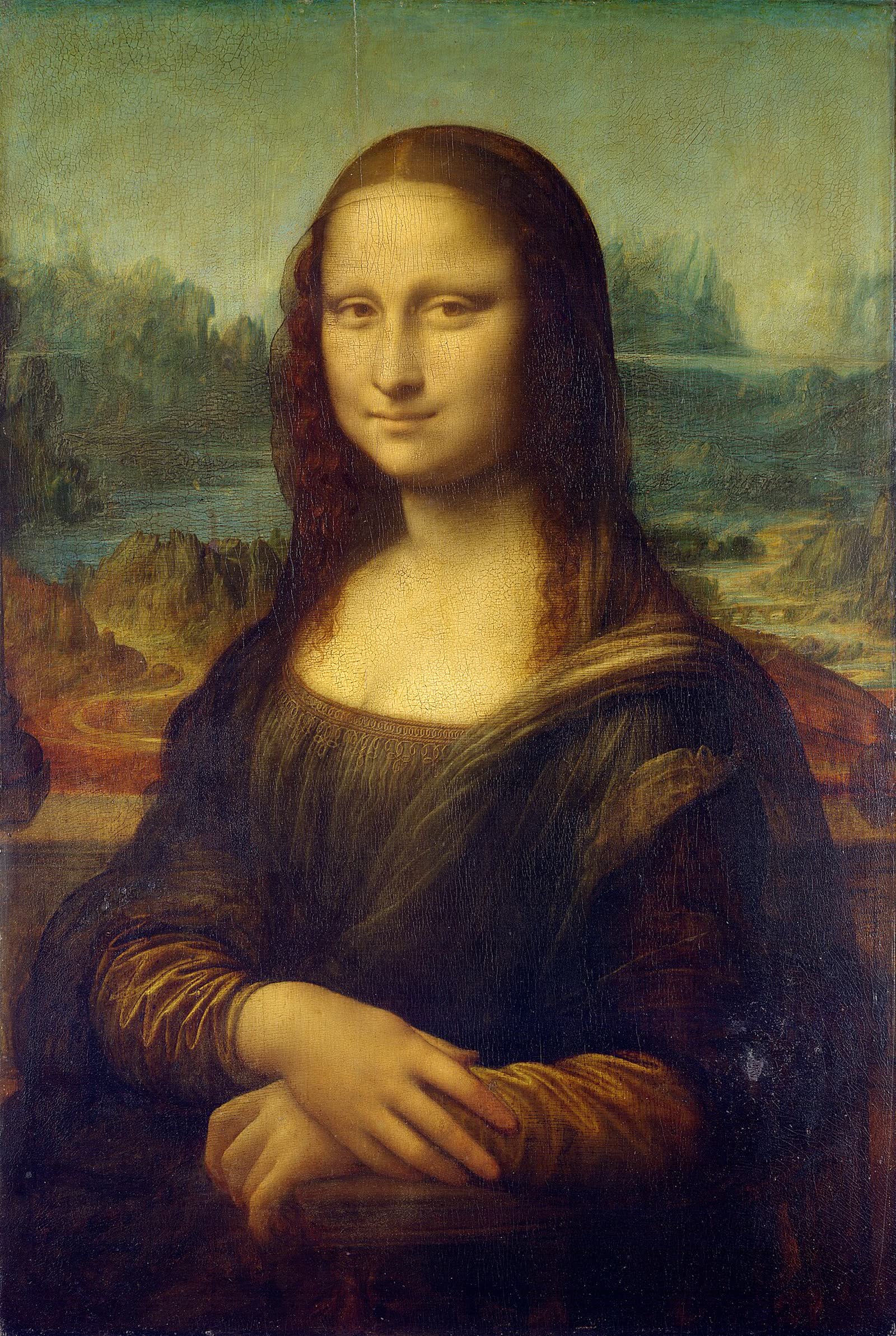
On Monday, August 21, 1911, the Louvre was closed to the public for its weekly maintenance day. Sometime that morning, a slight Italian handyman named Vincenzo Peruggia—who had briefly worked at the museum fitting protective glass onto paintings—lifted Leonardo da Vinci's Mona Lisa off the four iron pegs securing it to the wall of the Salon Carré. Wearing one of the white smocks that museum workers customarily wore, he was indistinguishable from the staff. He carried the painting to a service stairway, stripped off its glass case and heavy frame—hiding them behind stored student artworks—tucked the panel under his clothing, and simply walked out into the streets of Paris.
Astonishingly, no one noticed for more than a day. The theft was discovered only on Tuesday, when a painter who had come to make a copy of the Mona Lisa found a bare space on the wall where she should have hung. The Louvre closed for a week. The scandal was enormous: newspapers plastered the painting's face across their front pages, France was gripped, and the empty wall itself became a morbid tourist attraction as crowds came to stare at the void. The subsequent investigation was a fiasco. Police cast a wide net and even arrested the poet Guillaume Apollinaire and questioned the young painter Pablo Picasso—both were quickly released, having nothing to do with the crime.
All the while, Leonardo's masterpiece sat quietly in Peruggia's shabby Paris boardinghouse room, concealed in the false bottom of a wooden trunk. For roughly two and a half years, one of the most recognizable objects in the world lay hidden in a workman's trunk while investigators chased dead ends across Europe. Peruggia later claimed a patriotic motive: he believed the painting had been looted from Italy by Napoleon and that he was restoring it to its homeland—though the Mona Lisa had in fact come to France legitimately with Leonardo himself in the 16th century.
Peruggia's undoing came from his own impatience. In late 1913, having seen Italian antique dealers advertising in the newspapers, he packed the painting into his trunk and took a train to Florence. He contacted Alfredo Geri, a Florence art dealer, offering to "return" the Mona Lisa to Italy—for a substantial reward. Geri, cautious and suspicious, arranged to view the painting together with Giovanni Poggi, the director of the Uffizi Gallery. When Peruggia produced the panel from the trunk's false bottom in his hotel room, the experts examined it against the Louvre's catalog markings and confirmed it was genuine. They persuaded Peruggia to leave it with them for further "authentication"—then alerted the police, who arrested him on December 12, 1913.
The recovery was a sensation. Before the painting went home, a triumphant Italy put it on public display in Florence, Milan, and Rome, where jubilant crowds mobbed the galleries to see the returned Leonardo. The Mona Lisa was then returned to the Louvre in early 1914 and rehung in the Salon Carré, where more than 100,000 people came to view her in just the first two days.
Justice for Peruggia was strikingly mild. Tried in Florence, he pleaded guilty; some Italians hailed him as a patriot, and he served only a few months in prison—by one account roughly eight months—before his release. But the deepest irony is the theft's lasting legacy. Before August 1911, the Mona Lisa was admired chiefly by connoisseurs, one masterpiece among many in a crowded gallery. The two-year mystery, the front-page manhunt, and the dramatic recovery turned Leonardo's enigmatic portrait into a worldwide celebrity. As the Smithsonian put it, the heist is what "made the Mona Lisa a masterpiece"—the most famous painting on Earth, born not only of genius but of the man who stole her.